2028 Honda Civic Type R Release Date, Price, Specs
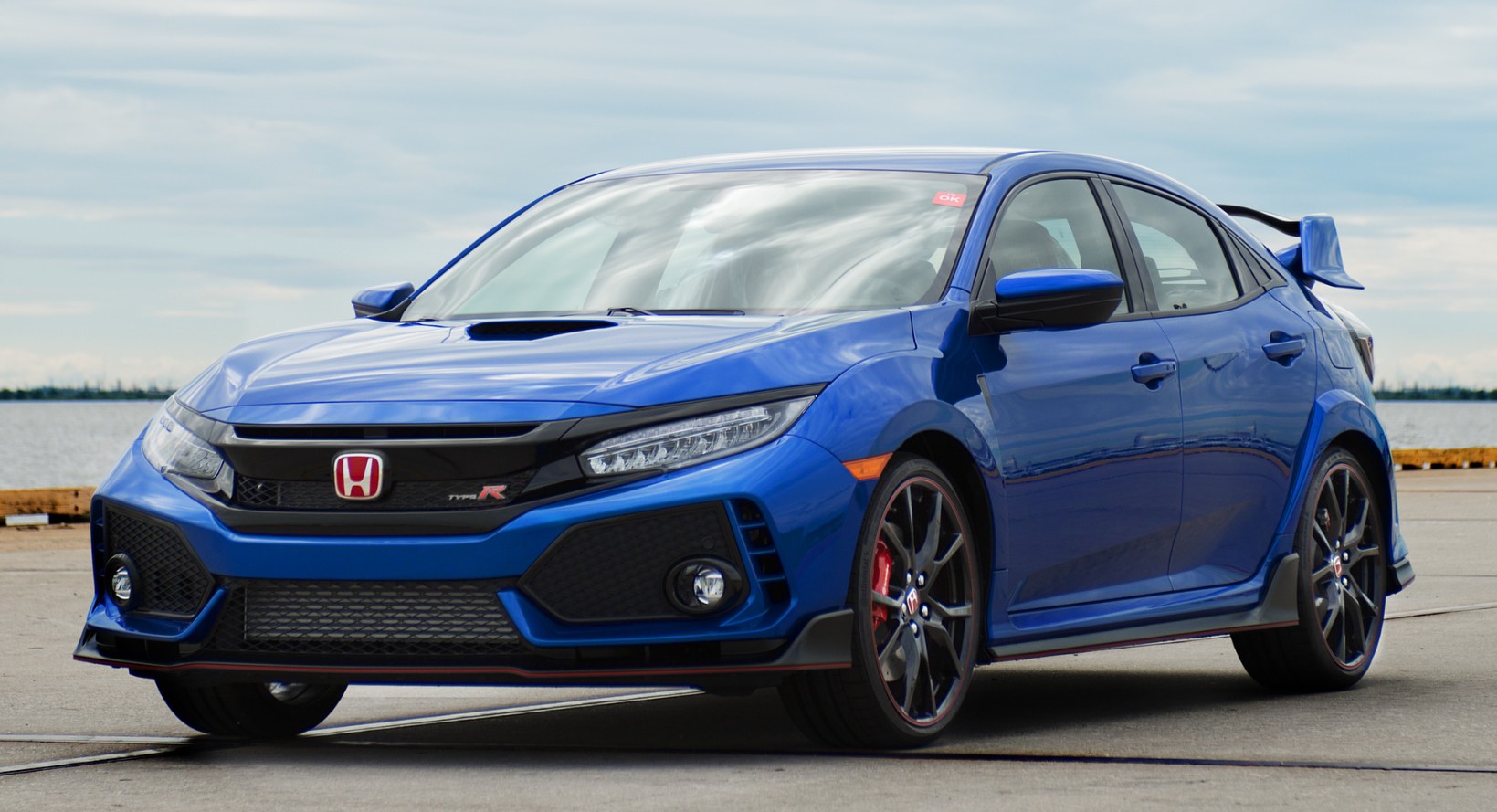
2028 Honda Civic Type R Release Date, Price, Specs – The 2028 Honda Civic Type R could become one of the most anticipated front-wheel-drive performance cars of the decade if Honda decides to continue the legendary Type R formula into the next generation. The current Civic Type R has already established an exceptionally high benchmark for steering precision, chassis balance, high-speed stability, and everyday usability. A future 2028 model would therefore face a difficult challenge: improving performance without sacrificing the mechanical character that has made the Civic Type R such a distinctive enthusiast car. At the moment, Honda has not officially confirmed a complete 2028 Civic Type R specification, pricing structure, or launch schedule, so any discussion of the next model must separate known Honda engineering trends from reasonable projections.
The current Civic Type R provides a strong foundation for understanding what could come next. Its 2.0-liter turbocharged four-cylinder engine produces 315 horsepower and 310 lb-ft of torque in the U.S. market, while power is sent exclusively through a six-speed manual transmission to the front wheels. That combination makes the car unusual in an era when many performance vehicles are moving toward automatic transmissions, all-wheel drive, hybrid assistance, and increasingly complicated electronic systems. A 2028 Type R could retain that driver-focused philosophy while receiving carefully engineered improvements to efficiency, emissions compliance, thermal management, suspension tuning, aerodynamics, and electronic control systems.
Honda’s future performance strategy could also influence the next Civic Type R. Electrification is becoming increasingly important across the automotive industry, and Honda has publicly committed to expanding electrified vehicles. That creates an interesting question for the Type R badge: will Honda preserve a turbocharged combustion engine, introduce some form of hybrid assistance, or develop an entirely different performance architecture? Enthusiasts will likely favor a solution that adds capability without making the car feel disconnected from the driver. A lightweight hybrid system, for example, could theoretically provide stronger low-speed response and electrical assistance while allowing the turbocharged engine to remain the centerpiece of the driving experience.
For buyers considering the 2028 Civic Type R, the most important point is that there is currently no official production specification to treat as final. Honda has not announced a definitive 2028 Type R trim lineup, MSRP, fuel-economy rating, battery system, horsepower figure, or release date. The most credible expectations should therefore be treated as projections rather than confirmed specifications. That distinction matters because Honda could change the engineering direction substantially before a future model reaches production. Nevertheless, the existing Civic Type R formula gives us a clear picture of the qualities a next-generation version would need to protect: engaging manual control, exceptional front-end grip, precise steering, sophisticated suspension tuning, practical hatchback packaging, and genuine track capability. 2028 Honda Civic Type R Release Date
2028 Honda Civic Type R Redesign and Update Plan
Exterior & Interior
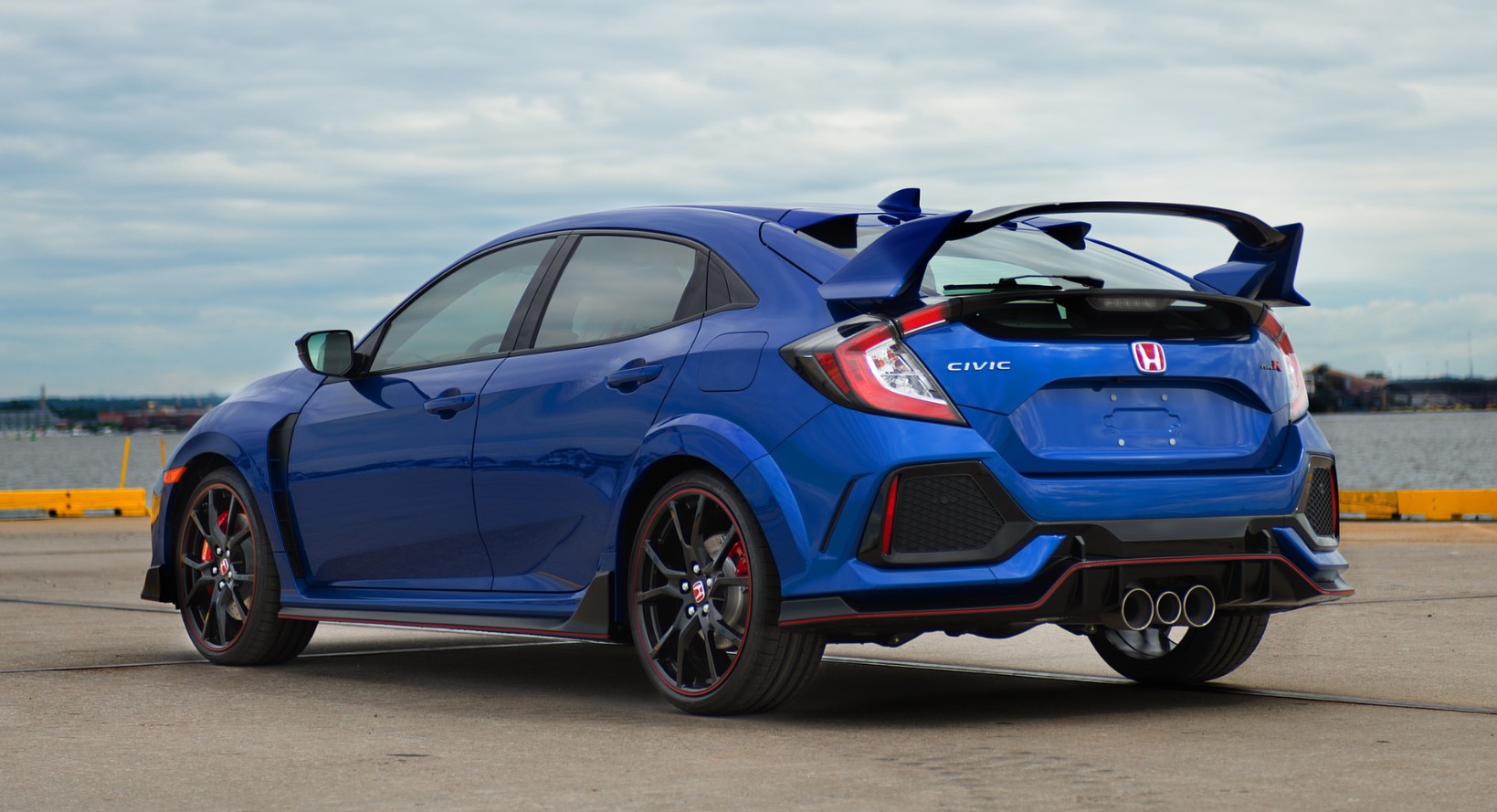
The exterior design of the 2028 Honda Civic Type R could become more aggressive while remaining recognizable as a Civic. The current generation already uses a wide stance, sculpted bodywork, a prominent rear wing, larger wheels, functional cooling openings, and distinctive Type R detailing. A new model could evolve these elements rather than simply making them larger. The front fascia might feature larger air channels designed around actual cooling requirements, while the rear could receive a more efficient diffuser and redesigned spoiler. Honda could also refine the body surfaces to reduce turbulence around the wheels and improve aerodynamic stability without relying entirely on visually dramatic components.
Wheel and tire technology would likely receive considerable attention. The current Type R’s wide performance tires play a major role in its cornering ability, braking performance, and steering feel. A 2028 model could use an even more advanced compound designed to provide stronger wet-weather grip without compromising dry-road performance. Lightweight forged wheels could also reduce unsprung mass, improving suspension response. Honda may continue offering a high-performance tire package aimed at track enthusiasts while providing a more road-oriented tire configuration for owners who use the car as a daily driver. Such a strategy would make the Type R more versatile without weakening its performance credentials.
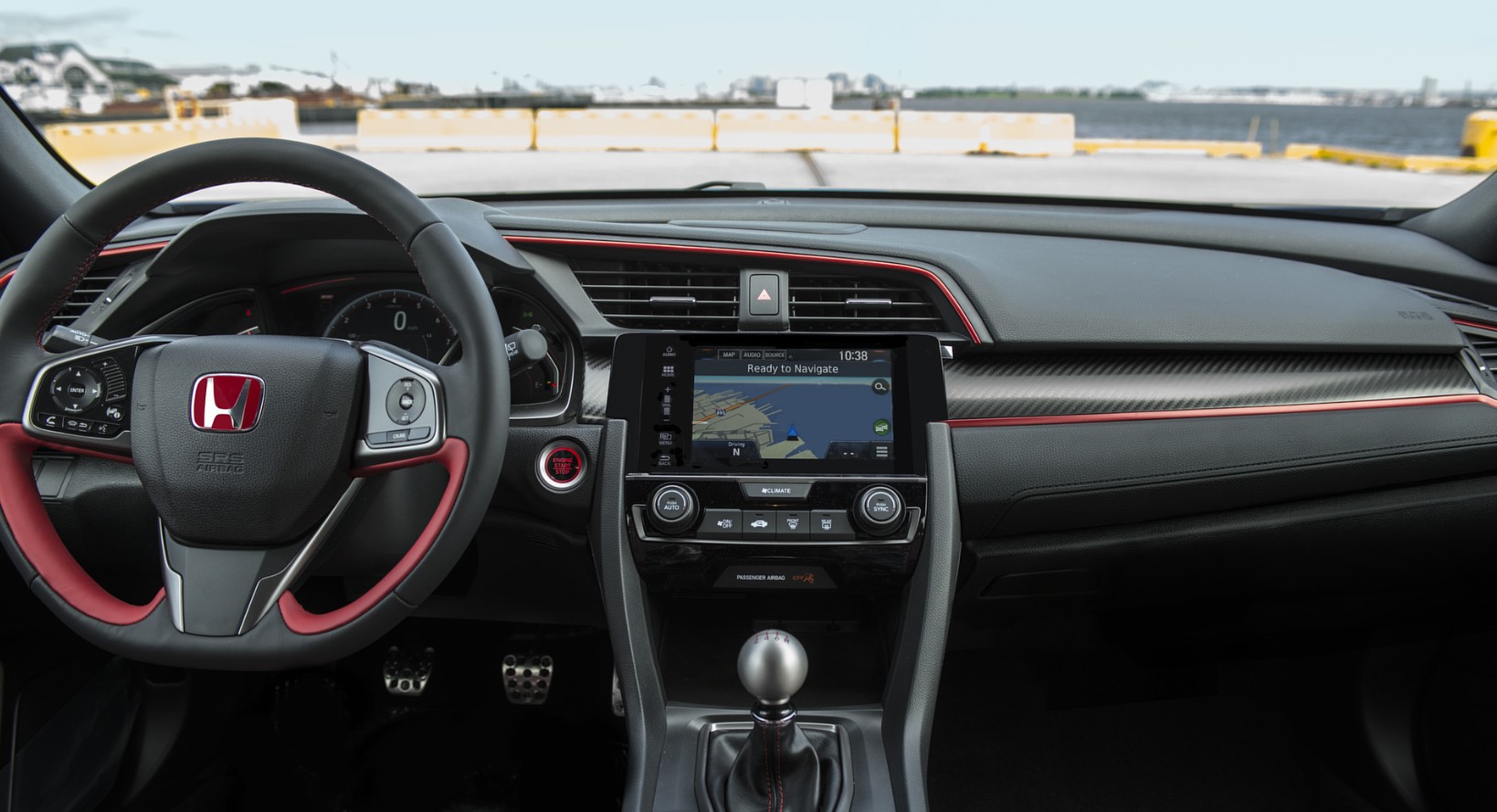
Inside, the next Civic Type R could combine a more sophisticated digital environment with the same driver-centered philosophy. A larger or higher-resolution instrument display could provide configurable information such as turbocharger data, oil temperature, coolant temperature, lap timing, G-force measurements, and performance statistics. The center infotainment system could receive faster processing, improved smartphone integration, navigation upgrades, and more comprehensive performance applications. Nevertheless, Honda would need to avoid turning the cabin into a technology showcase that distracts from driving. Physical controls for important functions would remain valuable, especially for drivers using the car on a circuit.
The seats, steering wheel, pedals, and driving position would also be critical. A Type R should make the driver feel connected to the front axle, and seating position can have a surprisingly large effect on that sensation. Honda could introduce lighter sport seats with improved lateral support while retaining enough cushioning for long-distance driving. A thicker steering wheel with a distinctive Type R center marker would reinforce the performance identity. Red accents, Type R badging, aluminum pedals, contrast stitching, and performance-oriented displays could provide visual drama without making the interior feel excessive. Practicality should remain a major advantage because the Civic hatchback body provides considerably more everyday flexibility than many dedicated sports cars.
A future redesign would likely concentrate on refinement rather than abandoning the fundamental Type R identity. Honda has already demonstrated that the modern Civic platform can support a sophisticated performance variant with substantial aerodynamic development and track-oriented chassis hardware. For 2028, engineers could focus on reducing weight, improving structural rigidity, optimizing airflow, and making the car more efficient without eliminating the aggressive mechanical character that distinguishes a Type R from an ordinary Civic. A more advanced body structure could potentially reduce mass in selected areas while adding rigidity around the suspension mounting points, improving both steering response and high-speed composure.
Aerodynamics could receive another major engineering review. The current Type R uses a large rear wing, functional front-air management, side skirts, rear diffuser elements, and carefully shaped bodywork to improve stability at speed. A next-generation car could take this approach further with more sophisticated underbody airflow, revised cooling ducts, and potentially electronically controlled aerodynamic elements. Such features would need to balance track performance with everyday practicality, because excessive downforce can increase drag and reduce highway efficiency. Honda’s challenge would be to create aerodynamic performance that feels useful at high speed without making the car unnecessarily difficult to live with.
The chassis could receive equally significant updates. A future Civic Type R may feature revised adaptive dampers, improved steering calibration, stronger braking hardware, and more sophisticated electronic stability programming. The objective would not necessarily be to make the suspension dramatically stiffer. Instead, Honda could pursue a wider range between comfortable road driving and aggressive circuit performance. Better damper control could allow the car to absorb rough pavement while maintaining precise wheel control during cornering. Additional software tuning could also make the different drive modes more meaningful, giving drivers greater control over steering weight, throttle mapping, damping, engine response, and stability intervention.
Weight management may become one of the most important areas of development. Performance vehicles are becoming heavier because of additional safety equipment, infotainment technology, emissions systems, and electrification hardware. If Honda introduces hybrid assistance to a future Type R, the added components could work against the lightweight character enthusiasts expect. Engineers would therefore need to compensate by using lightweight materials and carefully packaging new hardware. Aluminum suspension components, lighter seats, optimized wheels, compact battery placement, and weight reduction in the body structure could all help preserve the car’s agility. The best 2028 Type R would not simply produce more power; it would make every pound and every horsepower work harder. 2028 Honda Civic Type R Release Date
2028 Honda Civic Type R Specs
Engine & Performance
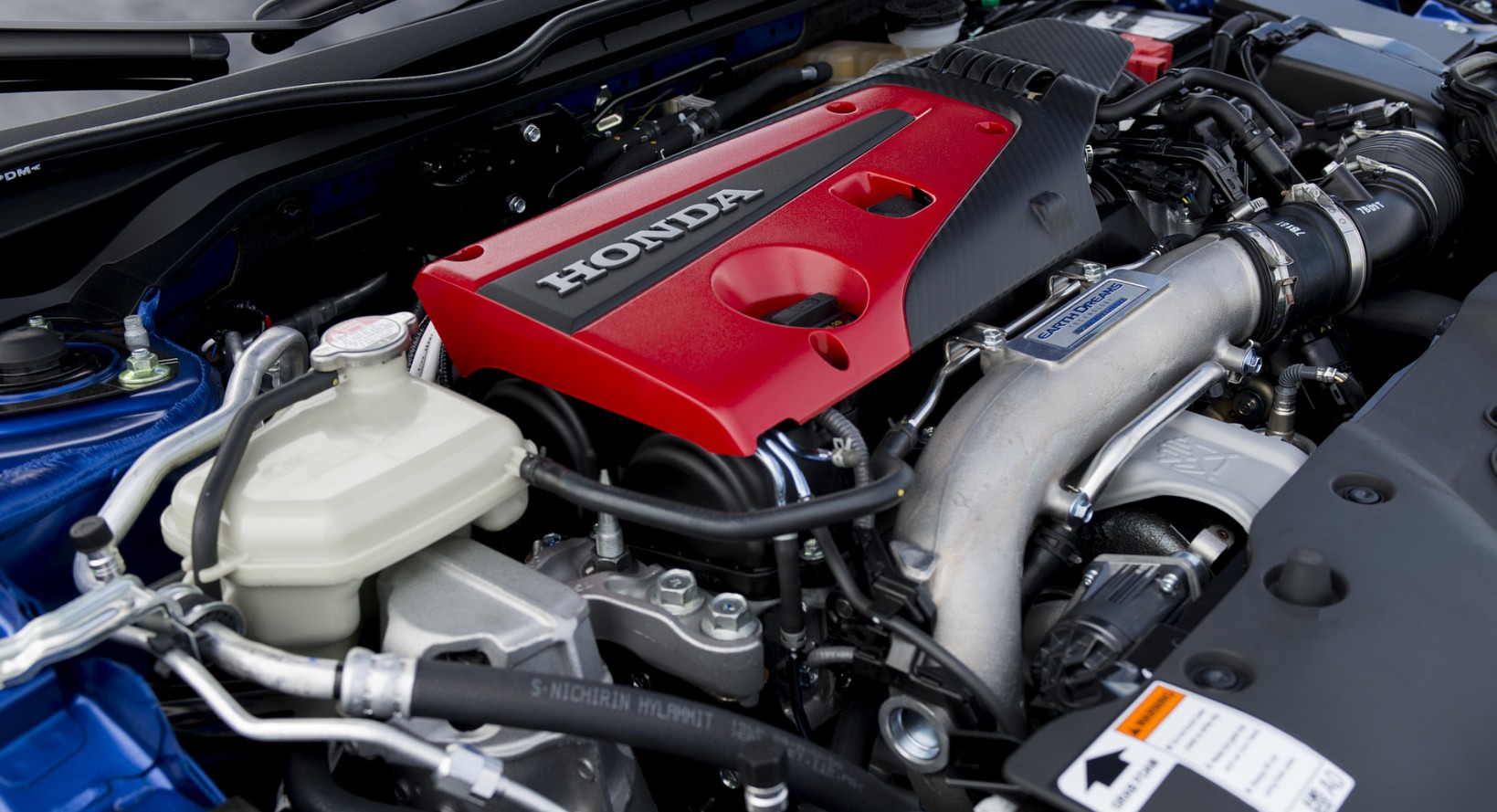
The biggest question surrounding the 2028 Honda Civic Type R will be its powertrain. The current car demonstrates how much performance can be extracted from a relatively compact turbocharged four-cylinder engine. Its 2.0-liter turbocharged engine delivers 315 horsepower and 310 lb-ft of torque in U.S.-specification form, while a six-speed manual transmission gives the driver direct control over the power delivery. For the next generation, Honda could continue developing the combustion engine with a revised turbocharger, improved fuel injection, more efficient cooling, lower internal friction, and revised engine management. A modest power increase would be enough if chassis improvements accompany it.
Hybrid assistance represents a more complicated possibility. Honda’s broader electrification strategy makes some form of electrification increasingly plausible for future performance models, although there is no official confirmation that the 2028 Civic Type R will become a hybrid. A compact electric motor could theoretically supplement the gasoline engine during low-speed acceleration, reduce turbo lag, and provide additional torque during corner exits. However, adding a battery, motor, inverter, and cooling equipment would increase mass. The engineering challenge would therefore be creating meaningful electrical assistance without turning the Type R into a heavier grand tourer.
Transmission strategy could be equally important. Enthusiasts have repeatedly associated the Civic Type R with its six-speed manual gearbox, and abandoning that transmission would fundamentally change the personality of the vehicle. A future model could continue with a refined manual transmission featuring shorter shift throws, improved rev-matching calibration, and stronger internal components. Honda could also introduce a performance-oriented automatic or dual-clutch option if market demand and emissions regulations justify it. However, retaining a manual version would allow the Type R to remain distinctive in a segment where many rivals have already moved toward automated transmissions.
Performance expectations would naturally rise. A future 2028 Civic Type R could potentially target a 0-to-60-mph time in the low-five-second range or better, depending on power, weight, tires, and drivetrain configuration. More important than a single acceleration number would be its ability to maintain speed through corners, brake repeatedly without fade, and put power down cleanly when exiting a turn. Honda’s front-wheel-drive expertise gives the Type R a unique advantage in this area. An electronically controlled limited-slip differential, sophisticated torque management, and carefully tuned front suspension geometry can make substantial power manageable without requiring all-wheel drive. 2028 Honda Civic Type R Release Date
2028 Honda Civic Type R Fuel Economy
Fuel economy is another area where electrification could produce meaningful changes. The current Type R’s turbocharged 2.0-liter engine is designed primarily around performance, so it cannot compete with conventional Civic variants focused on maximum efficiency. A future engine could use improved combustion efficiency, variable valve control, reduced friction, advanced turbocharger management, and a more sophisticated thermal system to reduce fuel consumption. If Honda adds hybrid assistance, low-speed fuel economy could improve further. However, any official EPA figures would depend on the final engine, transmission, tires, emissions calibration, and vehicle weight. No reliable 2028 fuel-economy rating has been announced yet.
2028 Honda Civic Type R Safety Features
Safety technology will almost certainly become more advanced in a future Civic Type R. Honda Sensing already provides a broad collection of driver-assistance systems on modern Honda vehicles, and a 2028 model could introduce improved camera and sensor hardware, more accurate object recognition, enhanced collision avoidance, and more sophisticated adaptive cruise-control behavior. Lane-keeping technology could become smoother and less intrusive, while automatic emergency braking could gain better performance in complex traffic environments. For a performance model, calibration will be especially important because safety intervention should not unnecessarily interfere with controlled track driving when the driver deliberately selects an appropriate performance setting.
2028 Honda Civic Type R Release Date & Price
Honda could keep the trim strategy relatively simple. A single core Civic Type R configuration would make sense because the model has traditionally been positioned as a focused performance flagship rather than a vehicle with numerous luxury grades. Honda could potentially offer factory performance packages, lightweight wheels, upgraded brakes, track-focused tires, carbon-fiber aerodynamic components, or interior upgrades as options. A special limited-production edition could also appear later in the lifecycle, particularly if Honda wants to celebrate a Type R milestone. Until Honda announces the official 2028 lineup, however, names and pricing for such packages should be regarded as speculation rather than confirmed information.
Pricing will likely be one of the most closely watched aspects of the 2028 Civic Type R. The current model occupies a premium position within the Civic family because of its specialized engine, suspension, brakes, wheels, tires, aerodynamics, and interior equipment. A redesigned car with additional technology or hybrid hardware could cost more. A reasonable market projection would place a future U.S. starting price somewhere around the upper-$40,000 to low-$50,000 range, but this is not an official Honda figure and could change significantly. The release date is similarly unconfirmed. If Honda proceeds with a 2028 model, an unveiling could plausibly occur during 2027, with production and dealership arrivals following later, but buyers should wait for an official Honda announcement before treating that timeline as established.
Conclusion
The 2028 Honda Civic Type R has the potential to become an important test of how performance cars evolve during the transition toward electrification. Honda does not need to transform the Type R into the most powerful hot hatch on the market. Its strongest advantage has always been the way individual components work together: the engine, manual gearbox, front differential, steering, suspension, brakes, tires, and aerodynamic package create a cohesive driving experience. Preserving that balance will matter more than chasing an impressive horsepower figure.
The most exciting possibility is a car that combines the traditional Type R experience with carefully selected modern technology. A lighter structure, stronger brakes, more advanced aerodynamics, improved cooling, smarter suspension control, and potentially limited hybrid assistance could make the next generation faster without making it less engaging. If Honda can achieve that balance, the 2028 Type R could remain relevant even as competitors increasingly depend on all-wheel drive, automatic transmissions, and electrified powertrains.
Pricing and availability remain unanswered questions, and no final 2028 specification has been confirmed by Honda. That means projected horsepower, fuel economy, trim levels, pricing, and release timing should not be mistaken for official information. The current Civic Type R nevertheless provides a compelling blueprint. Its combination of manual transmission, front-wheel-drive performance, practical hatchback packaging, and serious track capability gives Honda a strong foundation for whatever comes next.
For enthusiasts, the most important question is not whether the 2028 Civic Type R will be more powerful. The real question is whether Honda can make it faster, sharper, more efficient, and more technologically advanced while preserving the mechanical connection that makes a Type R special. If the company succeeds, the next Civic Type R could remain one of the few modern performance cars that feels genuinely engineered around the driver rather than simply engineered around performance numbers.